How Can You Prevent falling from ladder Injuries in Australia?

Falling from a ladder can happen fast. One second you feel steady, the next you are trying to catch yourself with no time to think. Whether you are a homeowner doing weekend jobs or a worker using ladders on site, the goal is the same: reduce the chance of a slip, twist, or overreach before it starts.
This guide keeps things practical and Australia-friendly, based on how ladder risks are expected to be managed under Australian work health and safety duties and common safe practices for working at height.
Why Does falling from ladder Happen So Often?
Most ladder falls come from a small handful of repeat problems:
The ladder base slips on smooth, wet, dusty, or uneven ground
The top of the ladder shifts because it is not secured
Someone overreaches (your belt buckle goes past the side rails)
The ladder is the wrong type or too short, so you climb too high
The ladder is damaged, missing feet, or has worn rungs
Wind, rain, or rushing the job adds one more “small” risk that becomes the big one
The hard truth is that a ladder is easy to set up, which makes it easy to underestimate.
What Do Australian Safety Duties Expect You To Do Before You Climb?
In Australia, working at height is treated seriously. The expectation is that you manage fall risks so far as is reasonably practicable, and you do not default to a ladder if a safer option is suitable for the job.
A simple pre-climb routine that fits both home and work use is:
Stop and identify what could make you fall (surface, weather, angle, tie-off points, access)
Decide what controls you will use (not just “be careful”)
Make sure the ladder and accessories are in safe condition
Make sure you can keep stable body position while working
On worksites, you may also need documented controls (for example, a safe work method statement when the work is classed as high risk).
When Should You Avoid Using a Ladder Altogether?
A ladder is generally best for short-duration, low-risk tasks where you can maintain stable posture and three points of contact while moving up and down.
You should strongly rethink using a ladder when:
The job will take a long time in one spot
You need two hands for the task most of the time
You will be pushing, pulling, or drilling with force
The ground is unstable, sloped, muddy, or cluttered
Wind or rain is likely to affect balance
You cannot secure the ladder at the top or bottom
If the job forces you into awkward body positions, the ladder is already telling you it is the wrong platform.
How Can You Choose the Right Ladder So You Are Not Forced Into Risky Positions?
Picking the right ladder reduces “improvising” while you are already up high.
Choose a ladder that lets you:
Reach the work without standing on unsafe steps or rungs
Keep your hips between the rails
Work without leaning sideways
Maintain stable footing and handhold
If you are unsure which ladder type suits your task, this comparison can help you decide before you start: step ladder vs extension ladder.
What Is the Biggest Mistake People Make When Choosing Ladder Height?
Using a ladder that is too short. It makes you climb higher than you should, and that increases wobble and overreach. If you feel tempted to “just make it work,” pause and swap to the correct height.
How Can You Set Up a Ladder So It Does Not Slip, Kick Out, or Twist?
Setup is where most “falling from ladder” prevention actually happens.
Use this setup checklist:
Is the ground flat, firm, and not slippery?
Are all ladder feet fully contacting the surface?
Is the ladder angle correct (not too steep, not too shallow)?
Can the ladder be secured so it cannot move at the top or bottom?
Is the access area clear of trip hazards, doors, pets, kids, and traffic?
If you are using an extension ladder, do not treat “someone holding it” as the main plan unless you have no other option. Physical securing is far more reliable than hoping someone stays focused.
How Can You Secure the Top of a Ladder More Reliably Around Gutters?
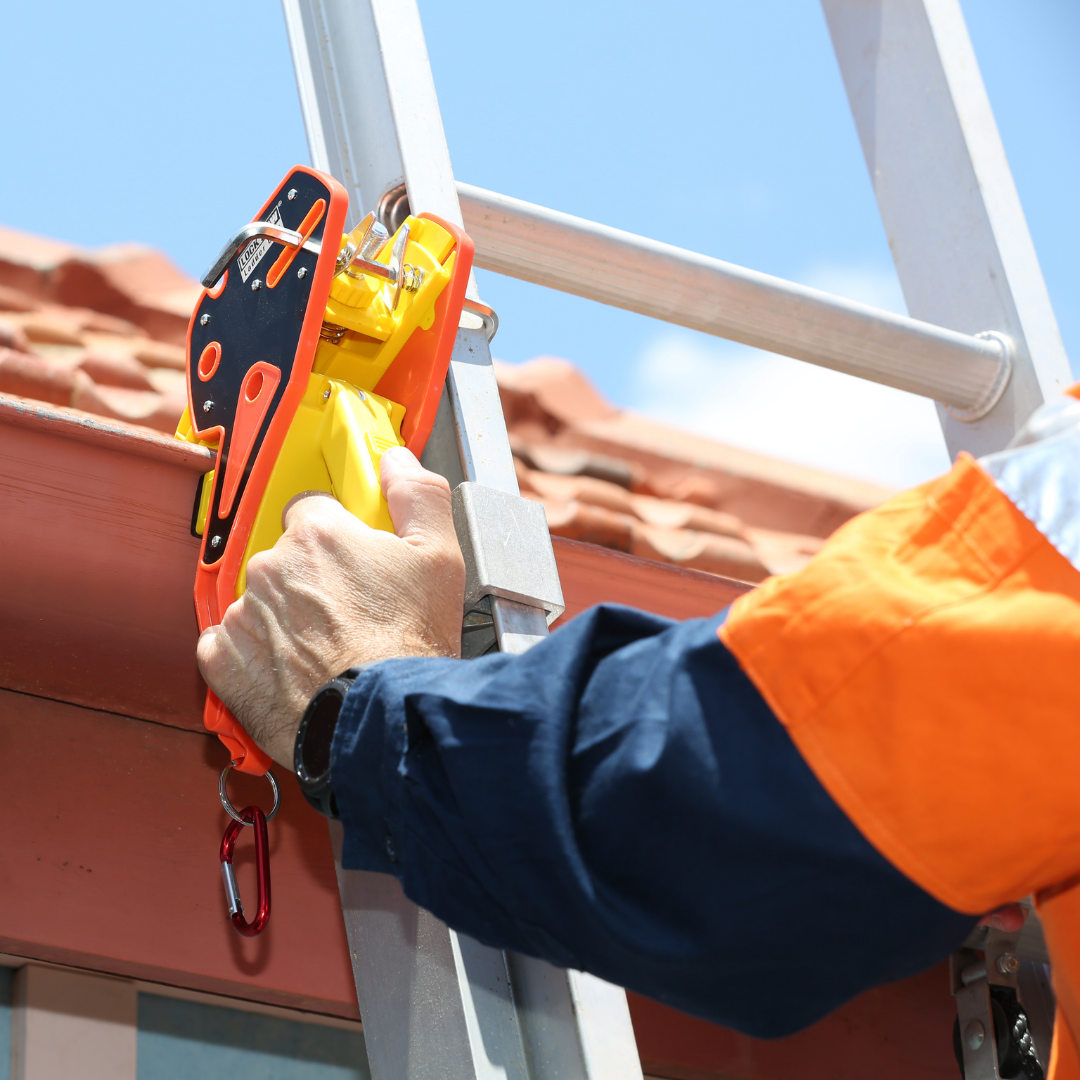
A common weak point is the top contact. Gutters can be slippery, rounded, or fragile, and ladders can slide sideways when you step on and off.
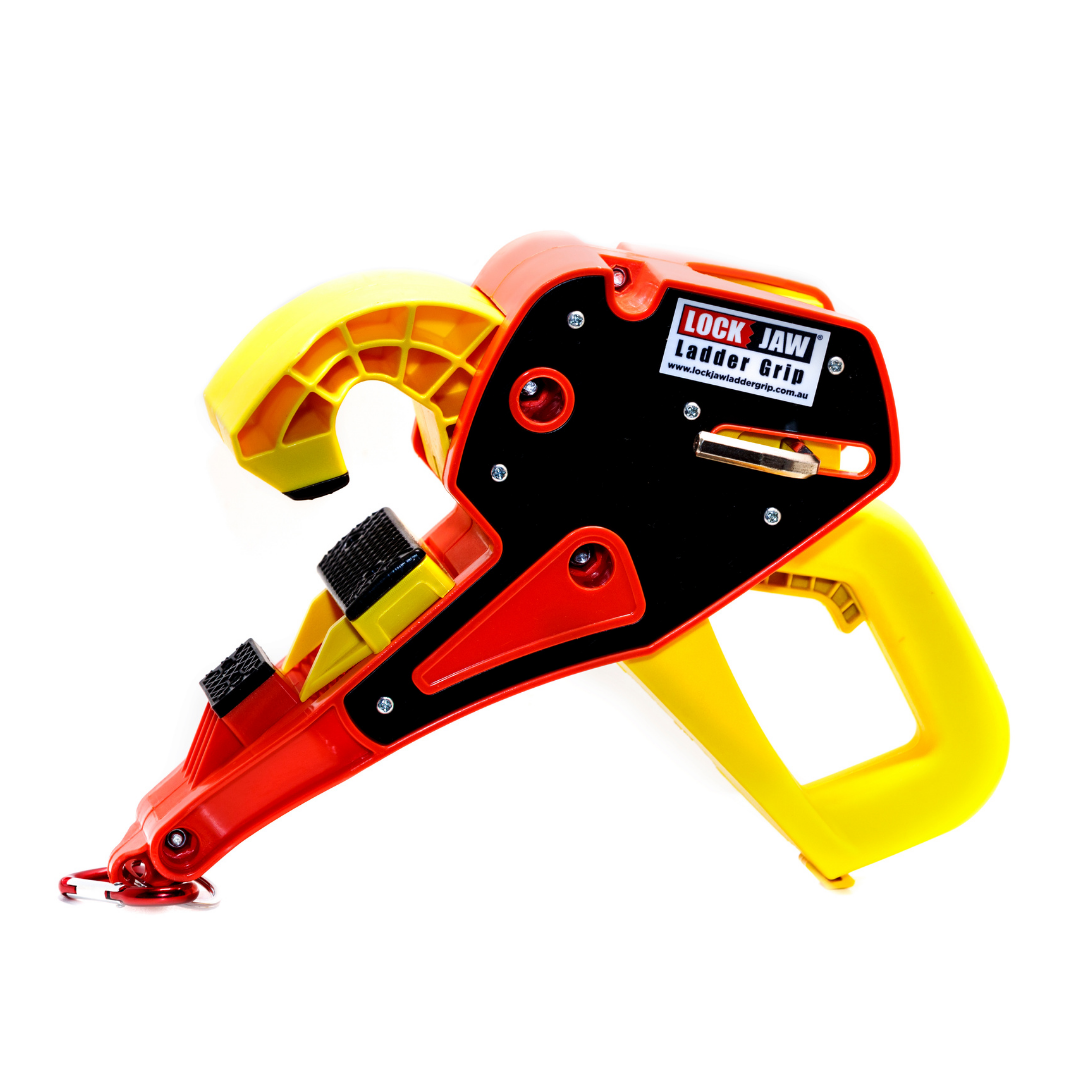
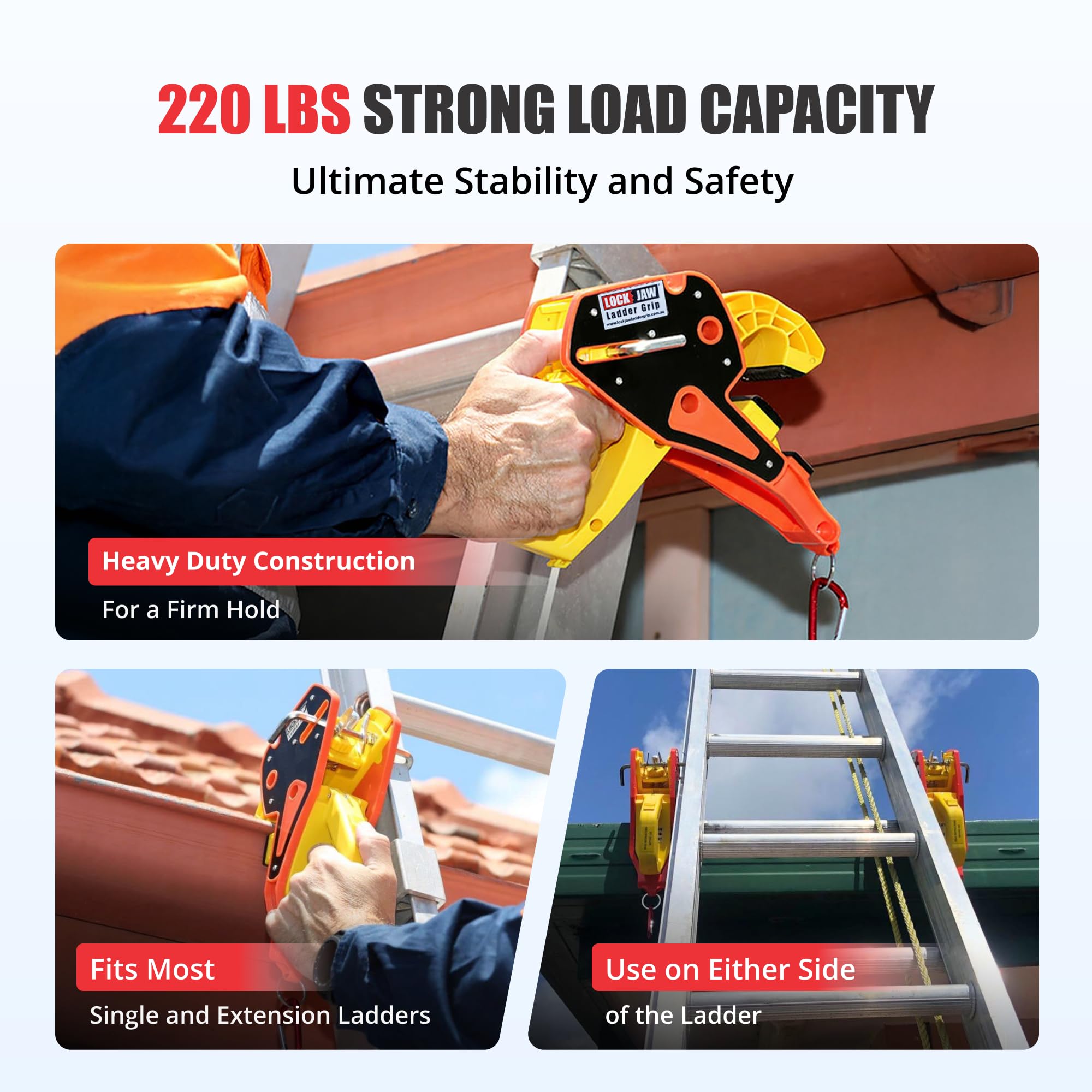
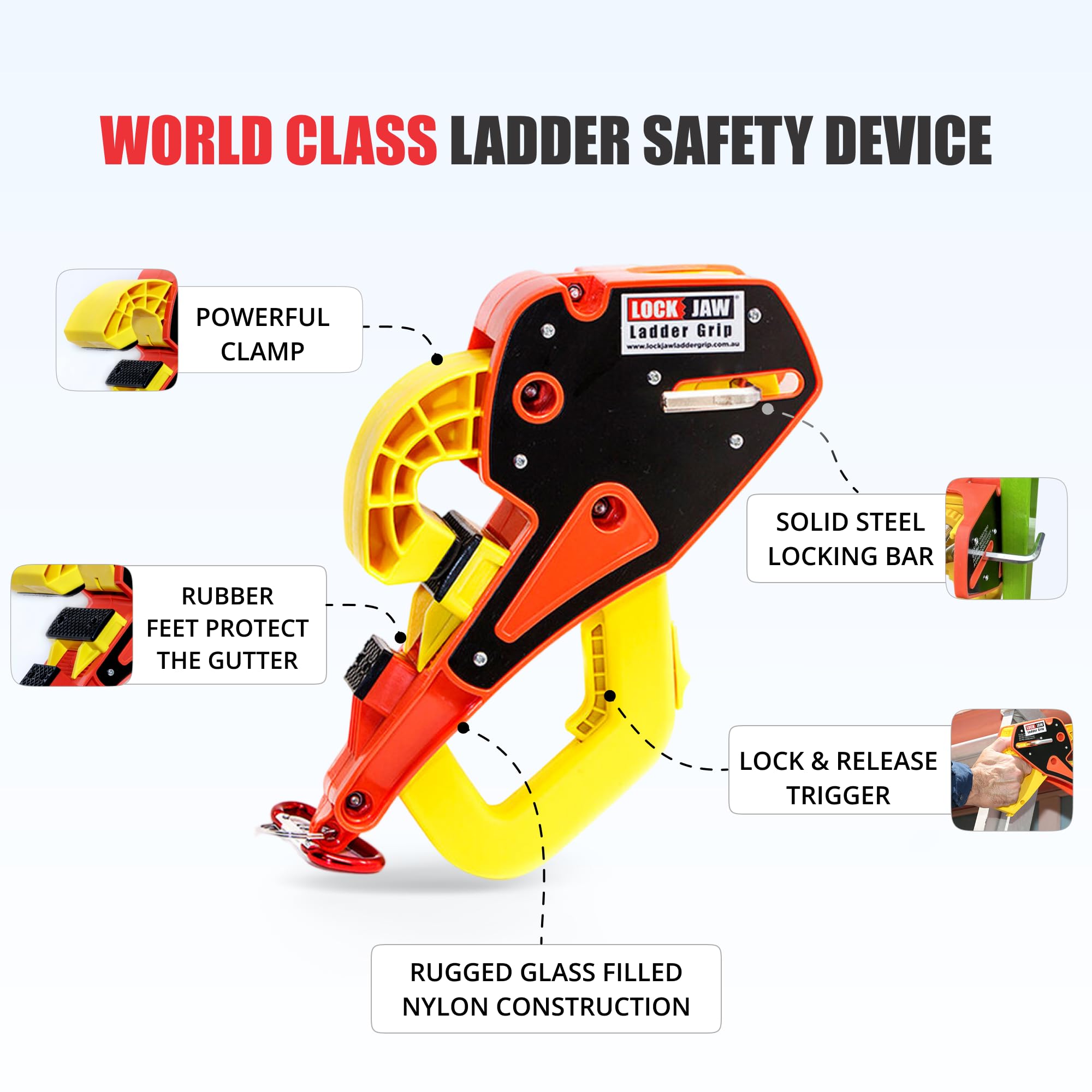
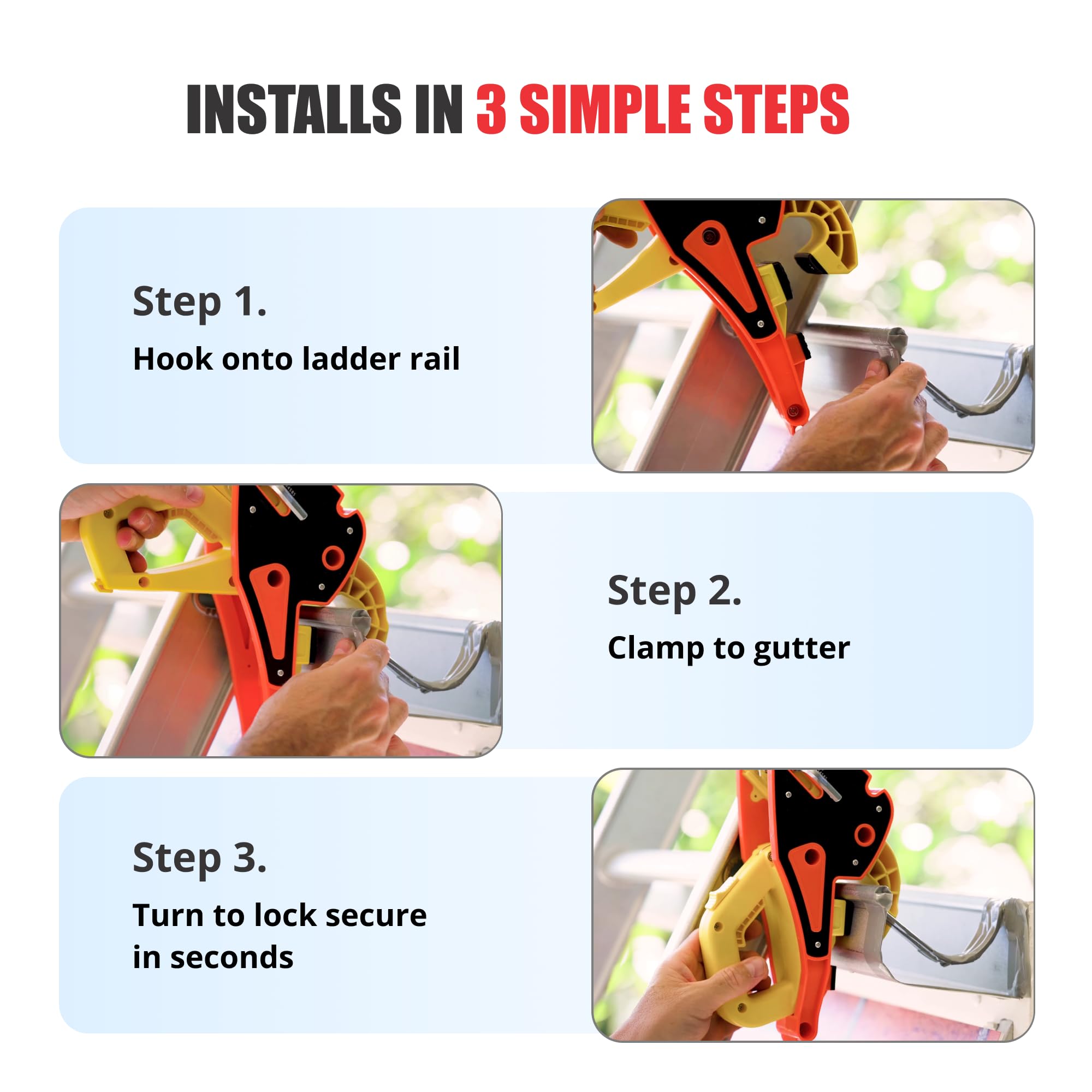
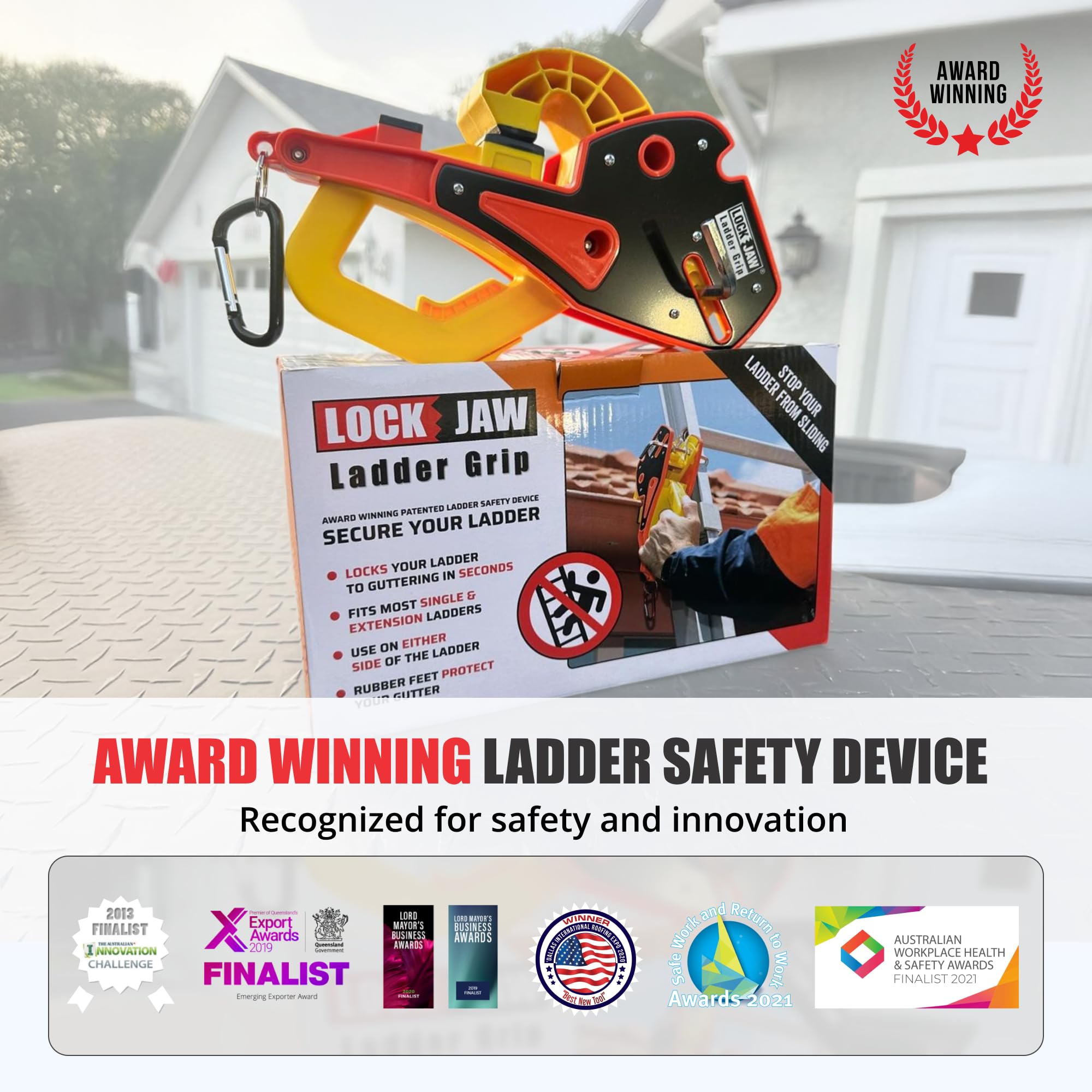
If you want a more locked-in feel at the gutter line, use a purpose-built securing approach that stabilises the top contact point. For example, you can learn more about the Lock Jaw Ladder Grip and why it is designed to help reduce movement at the top of the ladder, especially for gutter-style contact.
For more practical ladder-to-gutter setup guidance, start at the main knowledge hub on Lock Jaw Ladder Grip and build your routine from there.
What Should You Do While Climbing to Reduce falling from ladder Risk?
Most falls happen during climbing, stepping off, or repositioning.
Follow these simple rules:
Keep three points of contact when climbing or descending
Move slowly and deliberately, especially for the first and last two rungs
Face the ladder, do not descend sideways
Carry tools in a belt or hoist line, not in your hands
Do not rush because “it is only a quick job”
If you want the habit to stick, read and apply this guide on three points of contact every time you climb until it becomes automatic.
How Can You Work From a Ladder Without Overreaching or Losing Balance?
Once you are up there, your biggest enemies are overreach and twist.
Try these practical positioning checks:
Can you keep your belt buckle between the side rails at all times?
Can you keep your weight centred, not leaning past the ladder?
Can you do the work without pushing hard or pulling sideways?
Are your feet on stable rungs or steps, not perched too high?
If the answer is “no,” climb down and reposition. Repositioning feels annoying. Falling feels worse.
How Do You Inspect a Ladder So You Catch Problems Before They Catch You?
Do a quick inspection every time, and a more thorough check regularly.
A fast pre-use check:
Feet intact and not worn smooth
Rungs not bent, cracked, loose, or slippery
Side rails straight with no splits or dents
Locks and hinges working properly (for step ladders and multi-position types)
No oil, mud, paint, or residue on contact points
If you want a ready-made routine, use this ladder inspection checklist and treat it like a non-negotiable habit, not an optional extra.
What Extra Steps Help Australian Homeowners and Tradies Stay Safer in Real Conditions?
Australia adds its own real-world factors: harsh sun, sweaty hands, dusty surfaces, sudden storms, and jobsite chaos.
These tips help in typical local conditions:
Avoid ladder work in strong wind or wet weather
Keep footwear clean and grippy before climbing
Keep the base area clear of hoses, offcuts, and tools
Keep clear of electrical hazards and do not assume you are “far enough away”
Use a spotter only as support, not as your only control
Do not set up near driveways or footpaths without controlling the area
If you want an Australia-focused overview of what the product is and how it fits into safer ladder habits, see the local page here: Lock Jaw Ladder Grip information.
How Can You Build a Simple Ladder Safety System
The best prevention system is simple enough to repeat.
Use this “60-second ladder system”:
Surface: is it stable, dry enough, and uncluttered?
Setup: is the ladder angle and contact solid?
Secure: is the ladder physically prevented from shifting?
Climb: are you using three points of contact?
Work: can you do the task without overreach or twisting?
If you want to see an example of ladder safety being treated as a serious standard of practice, you can read the approach here: gold standard award-winning ladder safety.
What Are the Key Takeaways to Reduce falling from ladder Risk?
Falling from ladder is rarely “bad luck.” It is usually one or two missing controls that were easy to overlook.
If you remember nothing else, remember this:
Use the right ladder, at the right height, for the right task
Secure the ladder so it cannot slip or shift
Keep three points of contact while moving
Do not overreach, reposition instead
Inspect the ladder regularly and take damage seriously
How Can You Make Your Next Ladder Job Safer Starting Today?
If you want a more secure ladder setup, especially at the gutter contact point, use the approach that is built for it. The Lock Jaw Ladder Grip is the best place to start if your priority is reducing movement and improving stability at the top of the ladder. If you need help choosing the right setup for your situation, reach out here: contact Lock Jaw Ladder Grip.
What Sources Were Used for This Article?
Works Cited
Safe Work Australia. “Working at Heights.” Safe Work Australia, 16 Sept. 2025.
Safe Work Australia. Model Code of Practice: Managing the Risk of Falls at Workplaces. 21 Oct. 2022.
SafeWork NSW. “Ladders.” SafeWork NSW.
SafeWork NSW. The Pocket Guide to Ladder Safety. SafeWork NSW, PDF.
WorkSafe Queensland. “Work at Heights.” WorkSafe Queensland, 1 Mar. 2023.
Queensland Department of Education. Working at Heights Guideline. PDF.
What Are the Most Common FAQ Questions About falling from ladder Safety?
What Is the Safest Way to Climb Down Without Slipping?
What Should You Do If the Ground Is Not Level?
What Is a Quick Check That Prevents Most Ladder Accidents?
What Tools Should You Avoid Carrying While Climbing?
What Is the Best Next Step If You Want a More Secure Gutter Setup?